ex Forces discount available - contact us now!

Anaphylaxis
Anaphylaxis (or anaphylactic shock) is a severe allergic reaction that can occur after an insect sting or eating certain foods.
OUTDOOR FIRST AID
11/28/20254 min read


Anaphylaxis
Anaphylaxis is a life-threatening allergic reaction that happens very quickly. It can be caused by food, medicine or insect stings. Call 999 if you think you or someone else is having an anaphylactic reaction.
Symptoms of anaphylaxis
Symptoms of anaphylaxis happen very quickly.
They usually start within minutes of coming into contact with something you're allergic to, such as a food, medicine or insect sting.
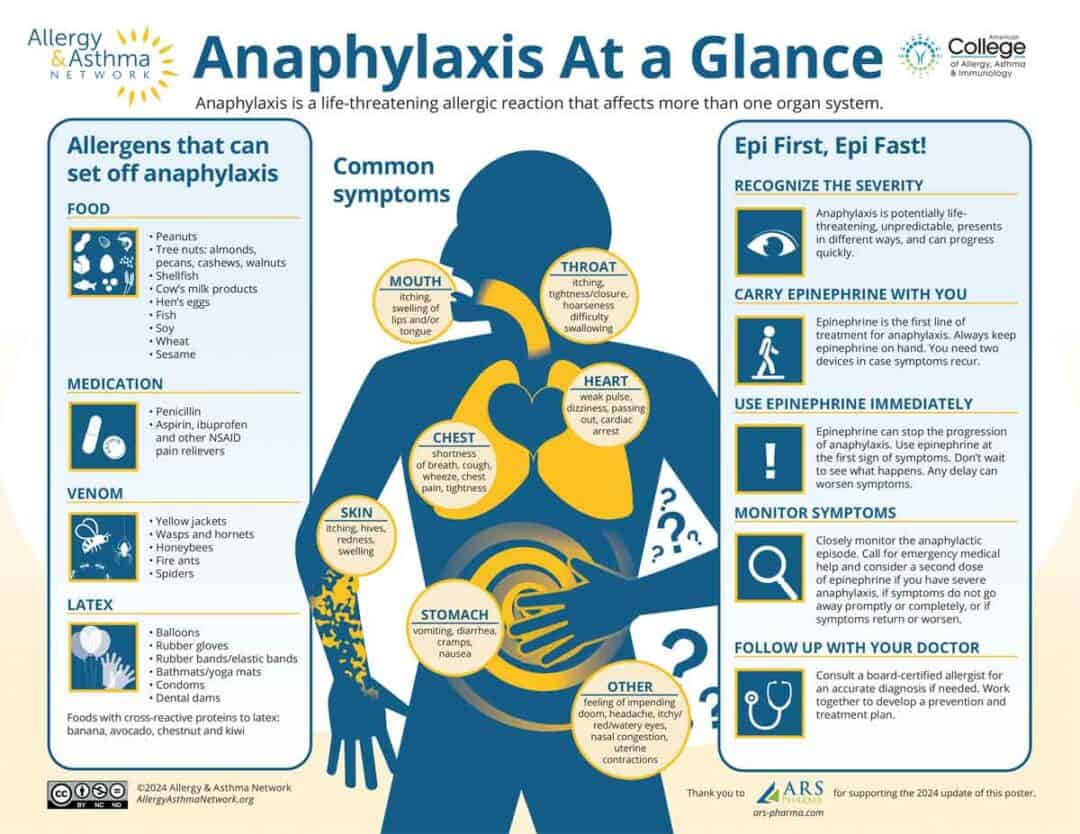
Symptoms include:
swelling of your throat and tongue
difficulty breathing or breathing very fast
difficulty swallowing, tightness in your throat or a hoarse voice
wheezing, coughing or noisy breathing
feeling tired or confused
feeling faint, dizzy or fainting
skin that feels cold to the touch
blue, grey or pale skin, lips or tongue – if you have brown or black skin, this may be easier to see on the palms of your hands or soles of your feet
You may also have a rash that's swollen, raised or itchy.
Call 999 if:
your lips, mouth, throat or tongue suddenly become swollen
you're breathing very fast or struggling to breathe (you may become very wheezy or feel like you're choking or gasping for air)
your throat feels tight or you're struggling to swallow
your skin, tongue or lips turn blue, grey or pale (if you have black or brown skin, this may be easier to see on the palms of your hands or soles of your feet)
you suddenly become very confused, drowsy or dizzy
someone faints and cannot be woken up
a child is limp, floppy or not responding like they normally do (their head may fall to the side, backwards or forwards, or they may find it difficult to lift their head or focus on your face)
You or the person who's unwell may also have a rash that's swollen, raised or itchy.
These can be signs of a serious allergic reaction and may need immediate treatment in hospital.
What to do if you have anaphylaxis
Follow these steps if you think you or someone you're with is having an anaphylactic reaction:
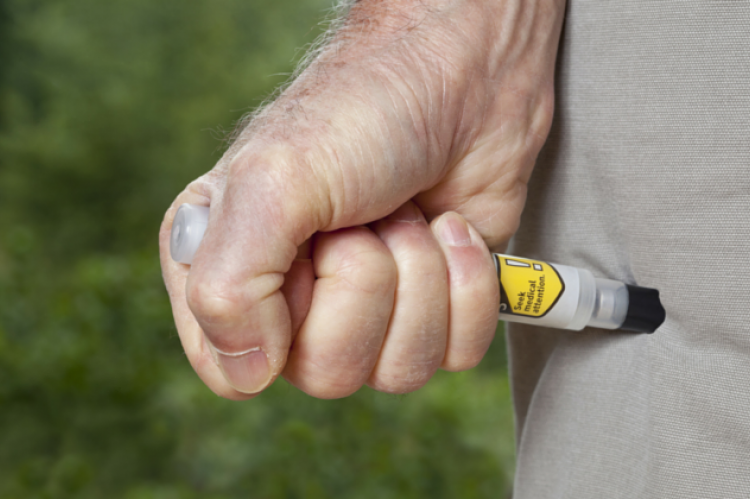
Use an adrenaline auto-injector (such as an EpiPen) if you have one – instructions are included on the side of the injector.
Call 999 for an ambulance and say that you think you're having an anaphylactic reaction.
Lie down – you can raise your legs, and if you're struggling to breathe, raise your shoulders or sit up slowly (if you're pregnant, lie on your left side).
If you have been stung by an insect, try to remove the sting if it's still in the skin.
If your symptoms have not improved after 5 minutes, use a 2nd adrenaline auto-injector.
Do not stand or walk at any time, even if you feel better.
How to use an adrenaline auto-injector
There are different types of adrenaline auto-injectors and each one is given differently.
Treatment for anaphylaxis
Anaphylaxis needs to be treated in hospital immediately.
Treatments can include:
adrenaline given by an injection or drip in your vein
oxygen
fluids given by a drip in your vein
You'll usually stay in hospital for around 2 to 12 hours, but you may need to stay longer.
Before you leave hospital, you should be given 2 adrenaline auto-injectors, or a prescription for them, to keep in case you have another anaphylactic reaction.
An adrenaline auto-injector is a special device for injecting adrenaline yourself. You'll be told how and when to use it.
You should be shown how to use your adrenaline auto-injector each time you're prescribed it.
You may also be referred to an allergy specialist for tests and advice.
Things you can do to help prevent anaphylaxis
There are some things you can do to help prevent anaphylaxis or prepare for if it happens.
avoid the food, medicine or thing that you're allergic to – for example, if you have a food allergy, check food labels carefully and tell staff at restaurants and cafes about your allergy
carry 2 adrenaline auto-injectors with you at all times
check your adrenaline auto-injector expiry dates regularly and get new ones before they expire
practise how to use your adrenaline auto-injector by using a trainer injector (an injector that has no needle or medicine in it) – you can order one online from the company that makes your injector
teach friends, family, colleagues or carers how and when to use your adrenaline auto-injector
use your adrenaline auto-injector if you think you may have anaphylaxis, even if your symptoms are mild
wear medical alert jewellery such as a bracelet with information about your allergy – this tells other people about your allergy in case of an emergency
do not leave your adrenaline auto-injectors anywhere too hot or cold such as in the fridge or outside in the sun
More information
There's more advice about what you can do to avoid common allergies. Find out more about:
Causes of anaphylaxis
Anaphylaxis happens when your body has a serious reaction to something you're allergic to.
Allergies that can sometimes cause anaphylaxis include:
foods such as nuts, cows' milk, eggs, fish or sesame seeds
medicines such as antibiotics or non-steroidal anti-inflammatory drugs (NSAIDs)
insect stings, such as wasp and bee stings
anaesthetics
latex (a type of rubber found in some rubber gloves and condoms)
Sometimes it's not known what caused an anaphylactic reaction.
Basecamp First Aid
The Campus, Crewe Green Rd, Crewe
CW1 5DU.
Contact
Subscribe to newsletter for latest news and upcoming course information.
info@basecampfirstaid.com
07769 273116
© 2025. All rights reserved. Privacy Policy


www.basecampoutdoors.co.uk
scottbarron.blog